
As students return to classrooms, it is good time to think about what is worth learning. Many facts could be learned but, if that were the goal of an education, graduation ceremonies should be replaced with trivia contests. The real goal is wisdom, because wisdom overcomes ignorance and guides applications.

Orientation Week, especially at universities, involves long speeches from important people who emphasize the many amazing things that students will learn. I forget almost all of these speeches. In their place, let me suggest three quotes which distinguish the day-to-day stuff of teaching from the value of learning.
“You can tell whether a man is clever by his answers. You can tell whether a man is wise by his questions.” Naguib Mahfouz (Nobel Laureate)
Formal schooling involves formal tests and grades are based on the quality of answers. The presence of AI decreases the value of being able to repeat facts. As a teacher, my goal is to help students find more subtle answers to seemingly-familiar questions: the subtleties answer the question “I never thought of this. Does it make a difference if …?”. Economics classes involve many versions of this question, since history reveals its usefulness when trying to understand the seemingly-new puzzles you will meet in the future.
“It ain’t what a man don’t know that makes him a fool; it’s the things he does know, that ain’t so.” Josh Billings, Annals of Improbable Research 2009 15 (3)
An common barrier to gaining wisdom is to be so foolish that you think that you already know everything you will need to know. Teens and 20-somethings of many eras are famous for thinking that they know it all. Older people also suffer from this conceit. Questions are important because wisdom requires more than an accumulation of facts. So, be curious.

Universities are exciting places because, for many experts in many fields, mysteries remain. What was true may no longer be true and what seems new may be old.
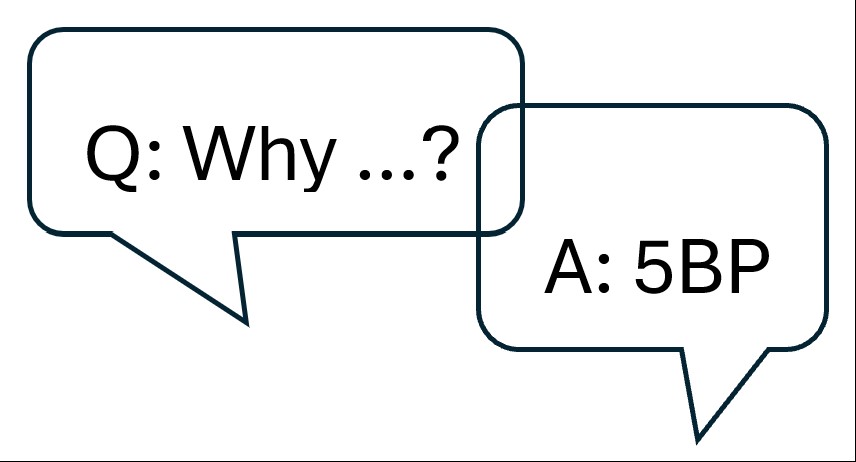
Critics of classroom economics seem to claim that almost everything which is important about the world is a mystery to economics teachers. The five basic principles show otherwise: they are rooted in history and can be used to develop overlooked questions about current and future mysteries. Maybe, by asking the right questions often enough, you will be the person who demystifies an important mystery.
“The things that you get fired for when you are young are the exact same things that you win lifetime achievement awards when you are old.” Francis Ford Coppola (HBR podcast, about minute 20)
Many people think that they are wise enough to “break the old rules”, but “being different” is not the same as “being successful”. Breaking rules successfully and repeatedly involves knowing enough about the current rules to know their limitations. Finding innovative opportunities which your competitors have overlooked for decades requires great wisdom. It is hard enough to survive in a market with many competitors. Wisdom should also remind you that the business leaders who are famous now were not always famous. Their ideas were criticized and their first attempts may have been incomplete successes.

These three quotes indicate a difference between teaching and learning. Regardless of what you are taught, I hope that these quotes encourage you to learn what you need to become wise.
 5 Basic Principles of Economics
Leave a comment