
You might have heard the news that stock price indexes are hitting record highs. So, many people are asking: is now the time to sell or is now the time to buy? My goal in this post is to explain why that is the wrong question and that the answer to the better question depends on an often-overlooked variable.

First, the buy/sell question is wrong because people buy and sell at all times: when prices are rising (a “bull” market) and when prices are falling (a “bear” market). If prices are steady overall, investors hope to buy a hot stock and sell their previous choice of a hot stock.
At the market price, every transaction has both a buyer and a seller. Trading implies that buyers and sellers differ in some way, and both think that they are making the “right” decision (from their perspective!). If there are buyers and no sellers then there is no transaction price and, without a market price, there can be no trend in prices. This is always true.
So, the equilibrium principle implies that market prices are constrained by exogenous conditions: temporary changes are temporary and permanent changes in prices are associated with a change in conditions outside of the market, such as interest rates, profitability of companies, and other things. Annoyingly, media reports are filled with rumours and uncertainty.
So, a slightly better question investigates the context of a price trend: what makes a difference over time?
When stocks prices are high and have been rising for a long time, as is true now, it is tempting to sell all of your stocks to lock in the profits. But, if prices rise tomorrow or next month then you will regret that decision.
So, the more important question investigates the margin: how much should I sell now? Almost certainly, the answer is “not everything” because very few people are 100% confident in a prediction.
Anybody who says “Prices might go up or down, maybe a little or maybe a lot” demonstrates some awareness of this additional variable concerning a prediction. Innumerate investors are tempted to think “Prices could go up or could go down. With only two possibilities, they must be equally likely.” I encourage you to think more broadly: e.g., instead of 50/50, think of 75/25 or 33/66 also. Doing so introduces a relevant contextual variable called confidence: people who are more confident that prices will rise tend to buy from the people who are less confident.
Confidence varies over time. If stock prices have fallen for the past month or year then you might regret not selling sooner, but that regret is about a sunk cost. Next month, prices may rise and, if you are not invested now, you would regret missing the opportunity to “buy low”. Since confidence lies between 0 and 100 for most investors, you would not sell everything during a bear market, and you would not buy as much as possible during a bull market. (If you are very risk averse then, while you could buy a little or a lot, you would choose to invest nothing in stocks.)
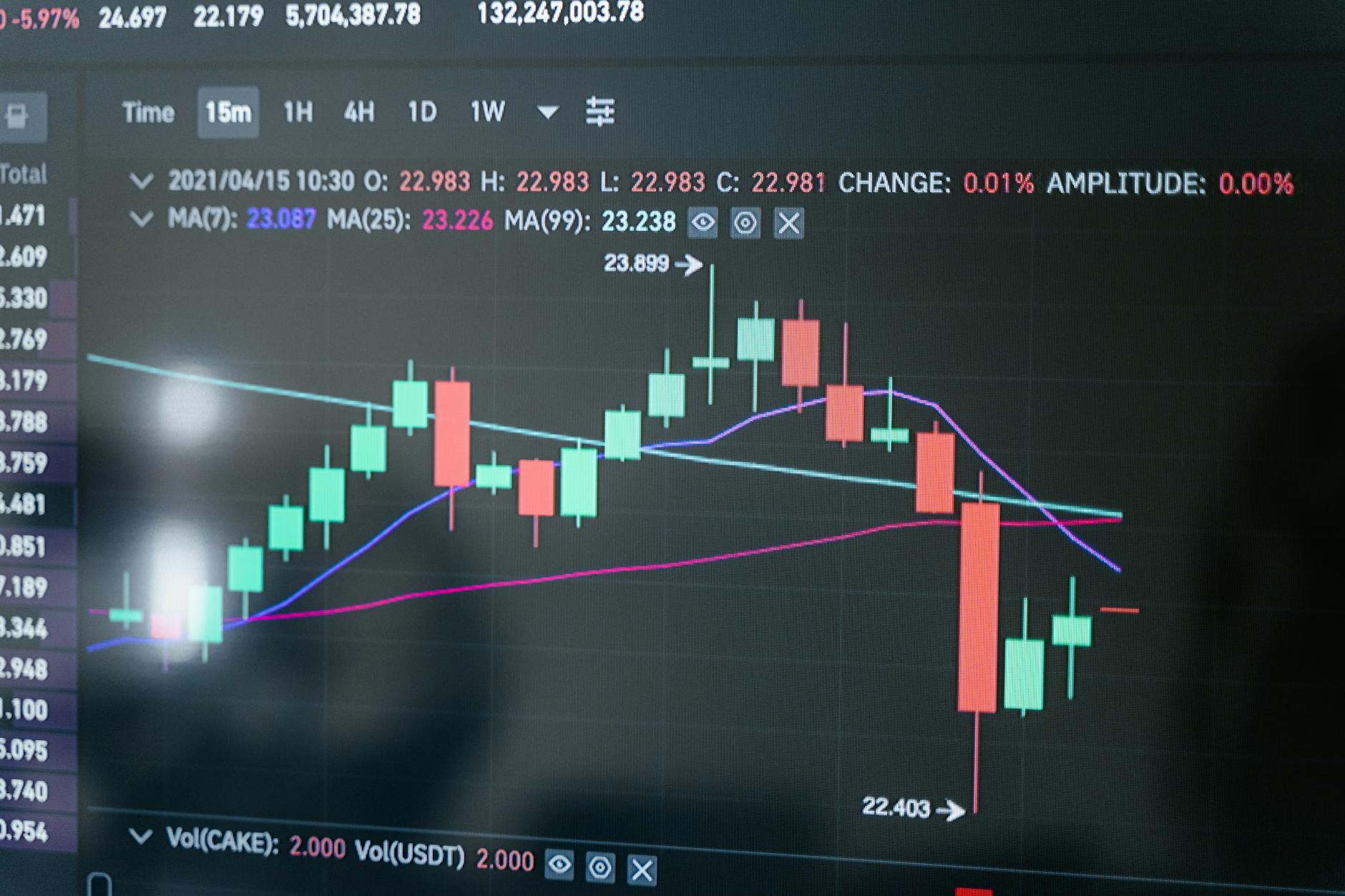
(In an advanced class on investing or if you work for a well-funded investor, you might describe “confidence” as probability or likelihood. That class would also explain why confidence varies with factors other than objective facts.)
At all times, the marginal decision on how much to buy or sell is more important than the question of whether to be a buyer or a seller. That decision depends on a contextual variable called confidence and, since I find that media reports emphasize buying vs. selling while rarely discussing “confidence” carefully, I am not surprised that so many people find investing confusing: they ask the wrong questions.


Leave a Reply