
Why would a war on the other side of the world raise oil and gas prices in countries, such as Canada and the United States, that are net exporters? The explanation is both simple and has profound implications for behaviour and for government policy.
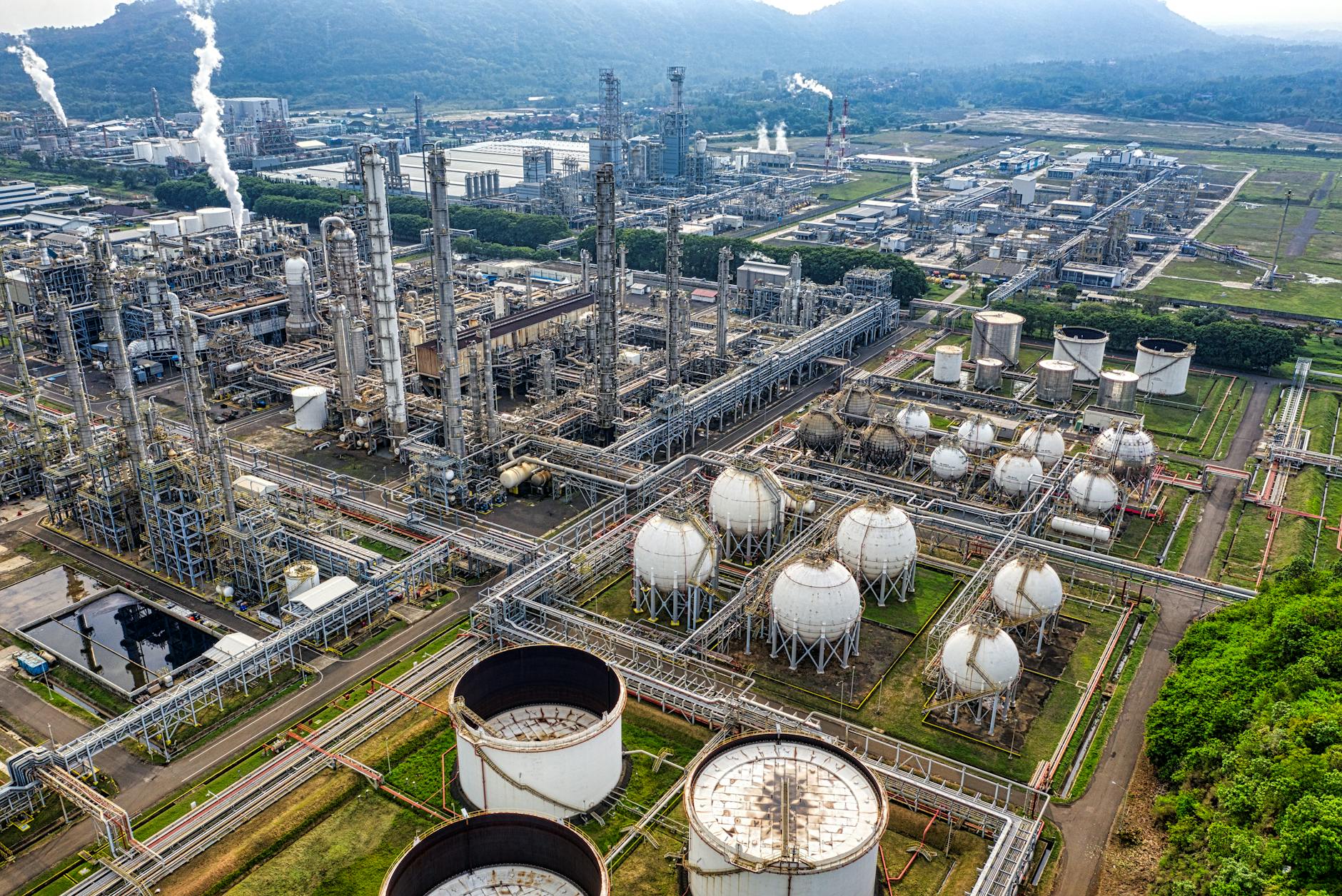
The simple answer, repeated in the media, is that “oil and gas is traded in a world market”. More formally, on the margin, an oil and gas producer can sell to anybody anywhere in the world and a buyer can buy from any producer in the world. The disruption to oil and gas supplies flowing through the Strait of Hormuz implies that many people are negotiating with a wider range of suppliers than usual. The practical implication is that your price and my price need to be compatible with the price charged to others because they are willing to pay (and vice versa).
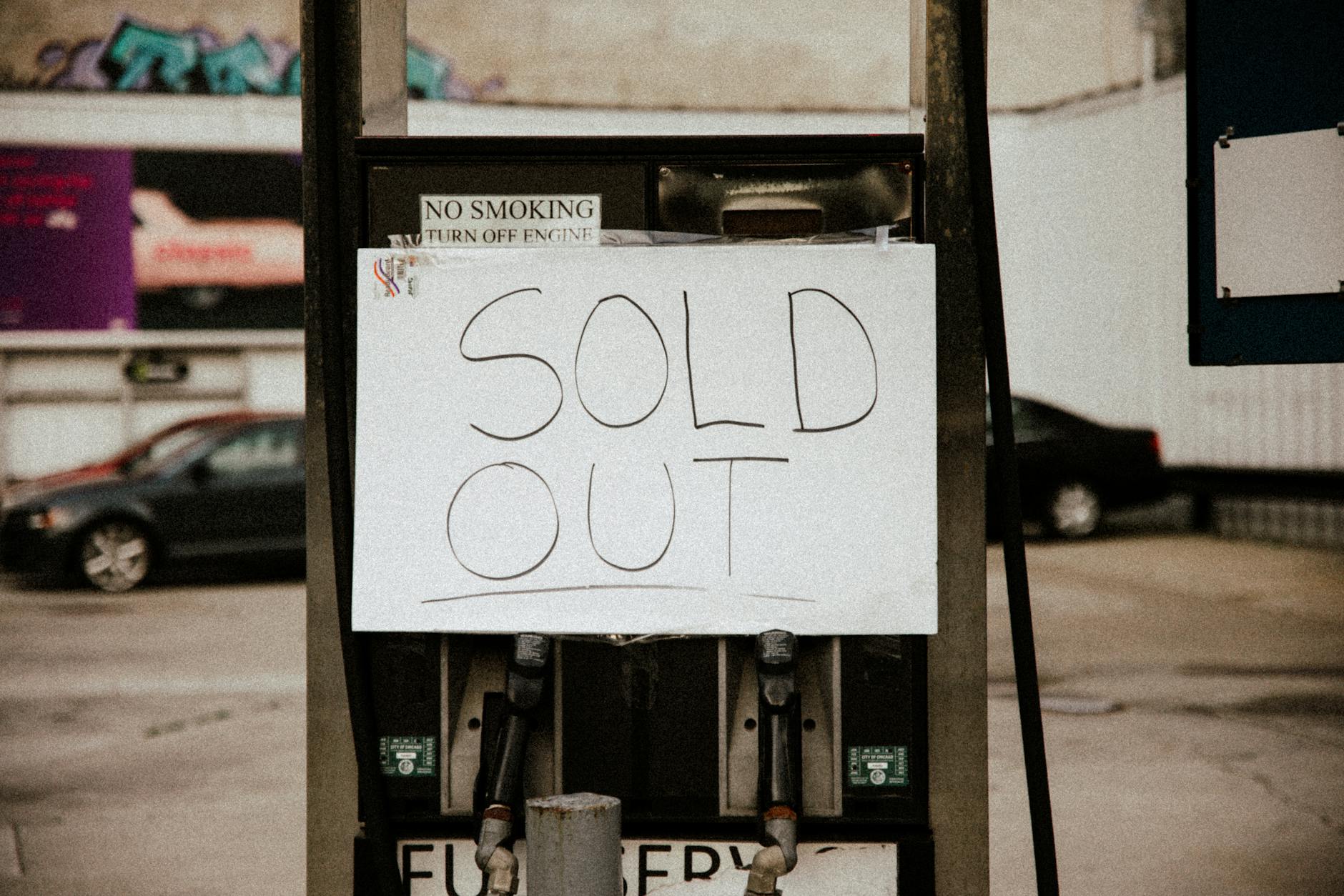
The news media are starting to report on how countries are rationing the limited amount that is available [1] [2]. The International Energy Agency (IEA) lists 10 demand side options, most of which were suggested before (such as using public transportation, lowering road speed limits, or working from home). These suggestions lead to a question: if people could reduce consumption before, why didn’t they do so? The formal answer is that these changes in quantity demanded are not a “shift of” the demand curve but a “movement along” a fixed demand curve: any change in behaviour of individuals is caused by price changes and would continue as long as the price changes remain.
Oil and gas markets differ from the markets for other goods and services in degrees. Prices “soar” during any short run disruption because, when the price elasticity of demand is relatively small, eliminating excess demand needs a bigger price increase. Demand elasticity for oil and gas is small in the short run because, for example, it is difficult to find substitutes for the gas used when commuting or shopping. It is possible to drive more efficiently but, regardless of speed, moving a small car weighing a tonne or more takes a lot of gas. It is possible to buy an electric vehicle, but that decision is not based on today’s price only. The short run price elasticity of supply is also not as large as might be hoped because of capacity constraints at refineries and other points in the supply chain.
Why are people so angry about increases in the price of gasoline? When Statistics Canada calculates the Consumer Price Index, gasoline purchases make up only 4.85 percent of the household budget. An obvious reason is that, when travelling around town, big signs constantly remind us of every twitch in the price. But, wise government policy is not be driven by squeaky wheels.
Unhappy voters ask politicians to “do something!” and we see silly policies to lower the taxes on oil and gas “temporarily”. The fact that both the supply curve and the demand curve for oil and gas are relatively inelastic implies that the decrease in tax is mostly a transfer from the government to consumers and producers of oil and gas. The Government of Canada estimates that this tax holiday will “provide over $2.4 billion in total tax relief that will ease the pressure of high fuel prices on Canadians” between mid-April and Labour Day.
I like receiving money more than I like paying taxes but we should always remember the opportunity cost principle. If a temporary tax holiday is a good idea then would extending it be a better idea? Even if limiting the government’s focus to making life more affordable according to the most recent budget: why not use the $2.4 billion to triple the budget for the National School Food Program instead, or to increase the three programs intended to help reduce youth find and keep jobs?
More broadly, a decrease in gas prices increases quantity demanded locally and makes the global problem of excess demand worse. The effects of a war on the other side of the world spread wider and faster than you might expect. Studying those connections makes economics fascinating.


Leave a Reply